Ginning & Pressing
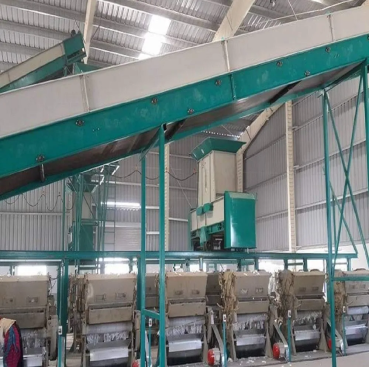
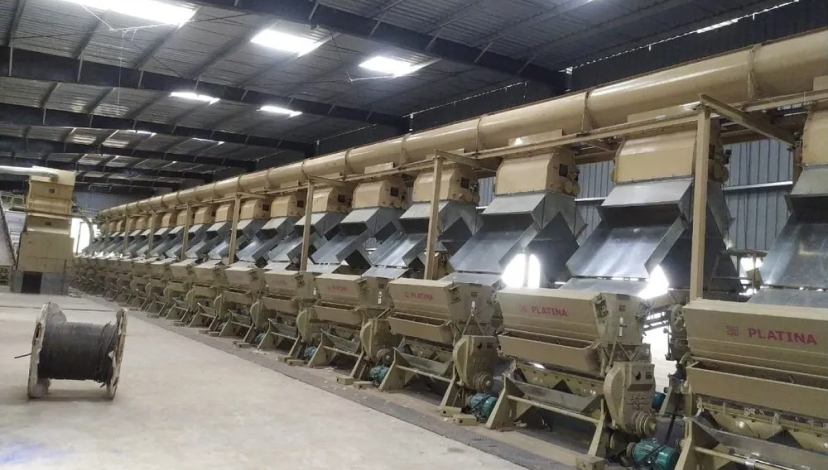
The process of cleaning and separating raw cotton from seeds and other contaminants is known as ginning in the cotton business. The cotton fibers are separated from the seeds and other trash using a cotton gin machine that has spinning saws or rollers. The finished product is clean cotton lint made up of long, fluffy fibers that can be used in other processes.
The cleaned cotton lint is squeezed and baled during the pressing process after ginning. This is accomplished by compressing the lint into dense, controllable bales using a cotton bale press machine. Compared to loose lint, these bales are simpler to move, store, and manage. By shielding the lint from contaminants and the environment, pressing also contributes to the preservation of the lint's quality. Depending on industry norms and particular requirements, cotton bales are available in a variety of sizes and weights.
Benefits of Ginning & Pressing
- 1Cotton fibers are successfully separated from seeds and other contaminants by ginning.
- 2Creating lint-free, clean cotton fibers ready for processing.
- 3Eliminates leaves, short fibers, dirt, and other impurities.
- 4Cotton lint is compressed into tight bales by pressing, which reduces its volume and makes it easier to store, move, and handle.
- 5Properly pressed bundles shield cotton lint from external elements like contamination and dampness.
While pressing streamlines storage, shipping, and general cotton handling procedures, resulting in cost savings and increased cotton lint preservation, ginning ensures the production of high-quality, marketable cotton fibers.